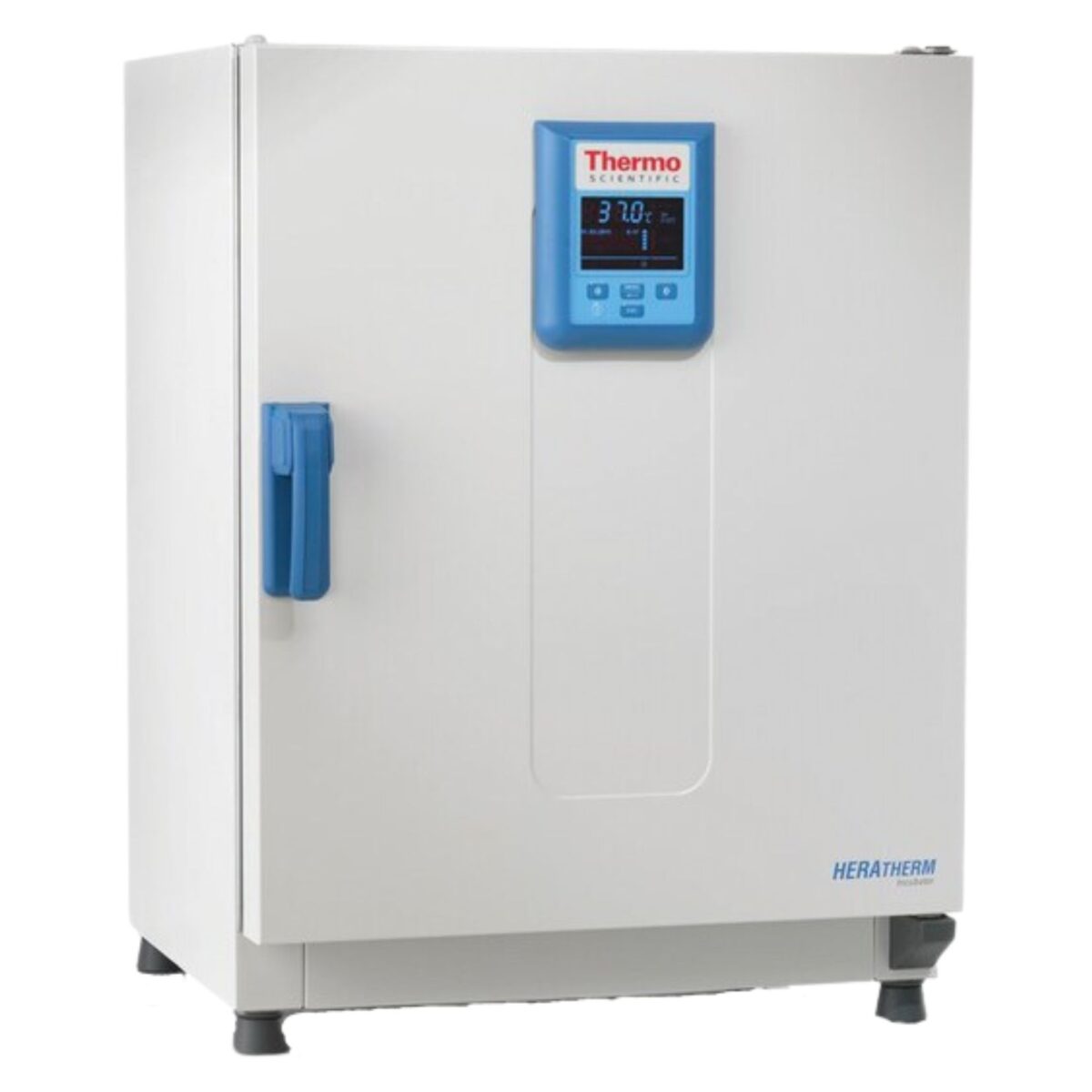
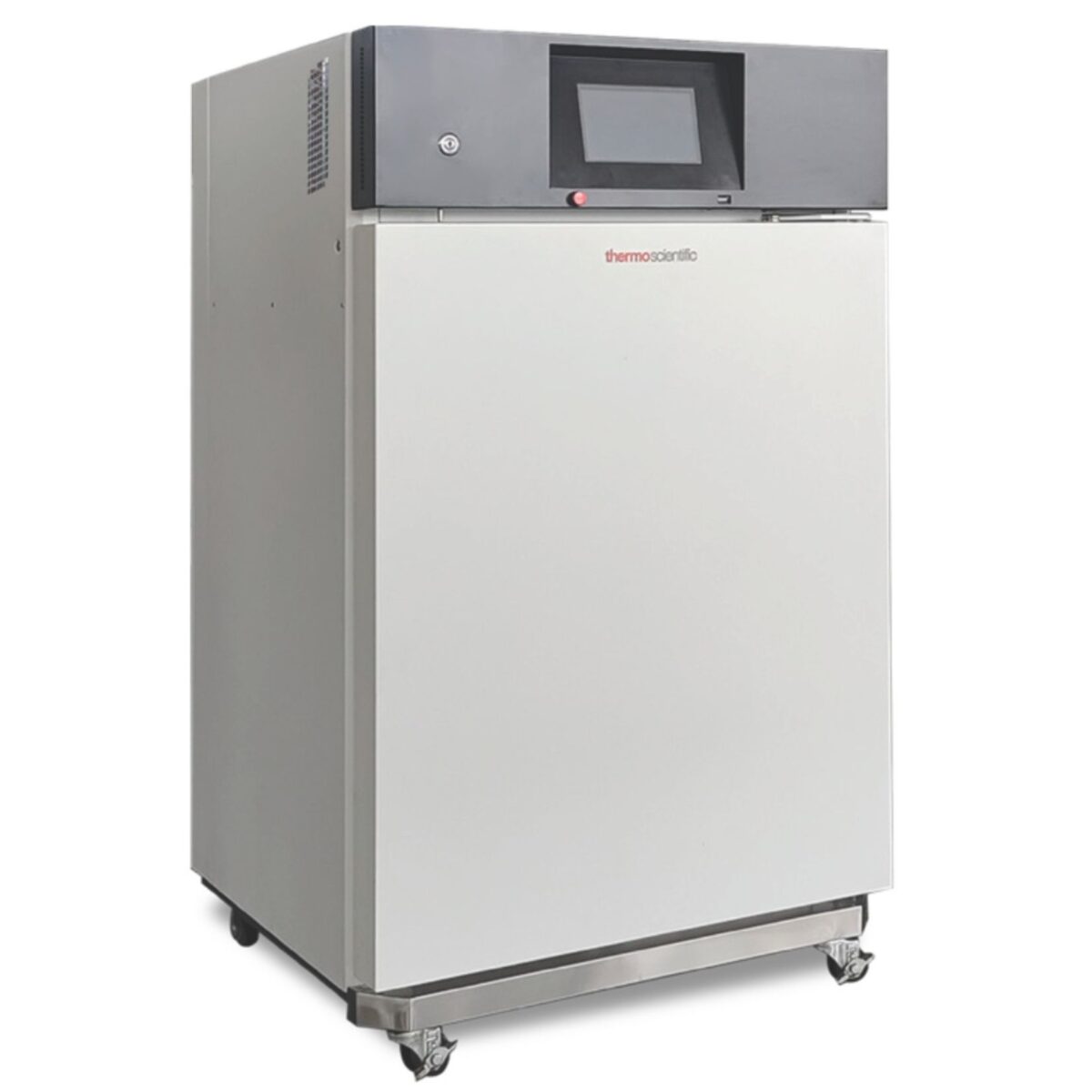
Bacteriological incubator for research and culture
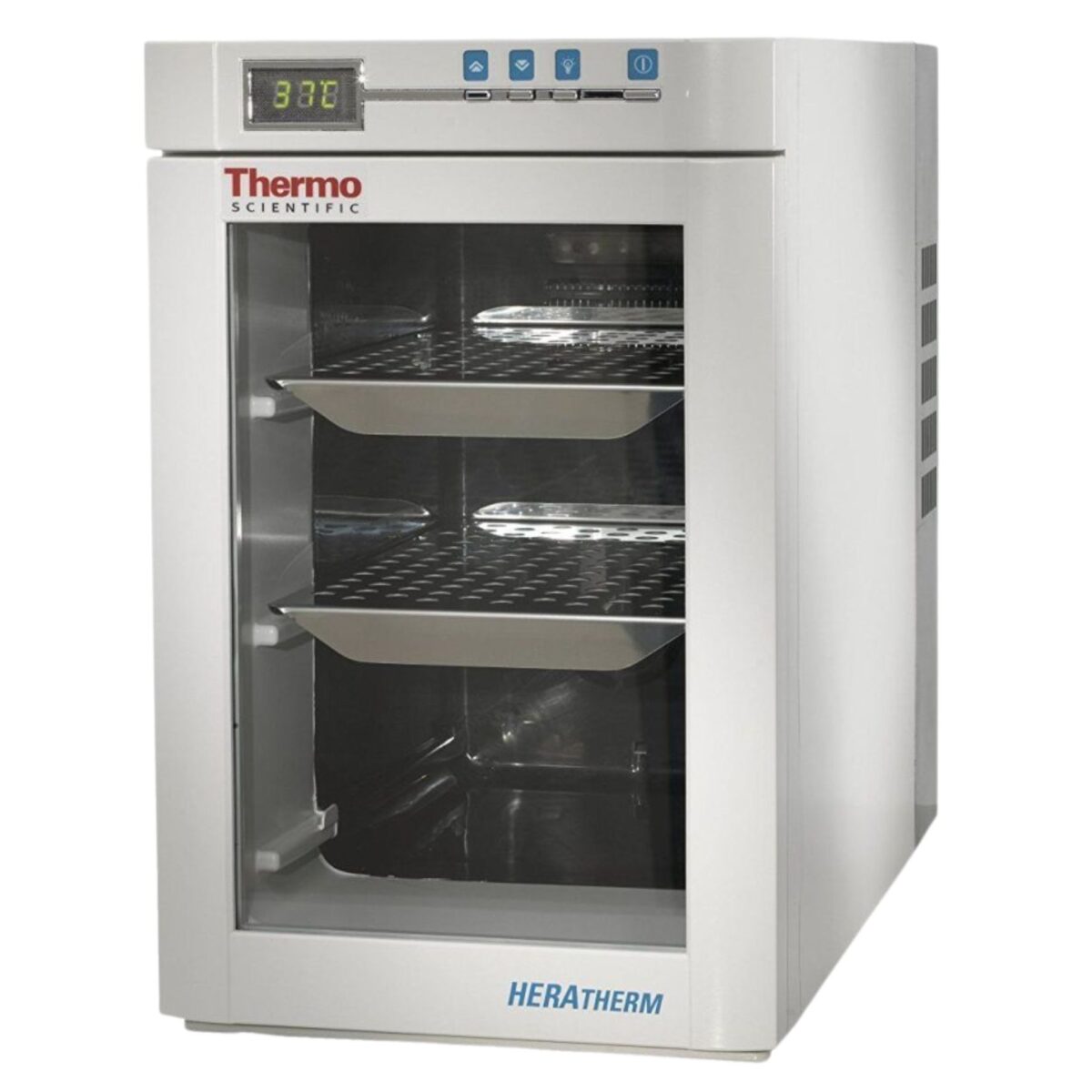
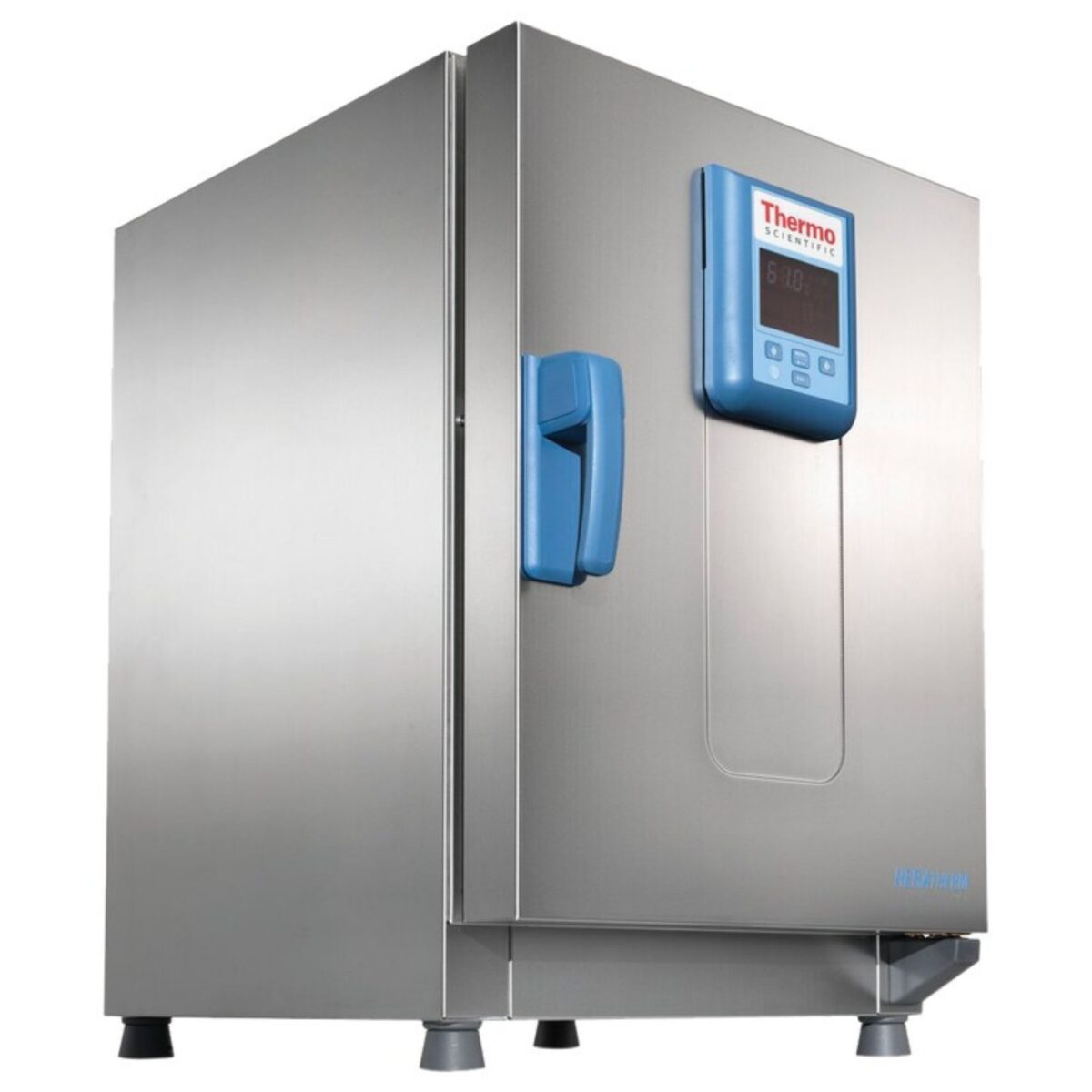
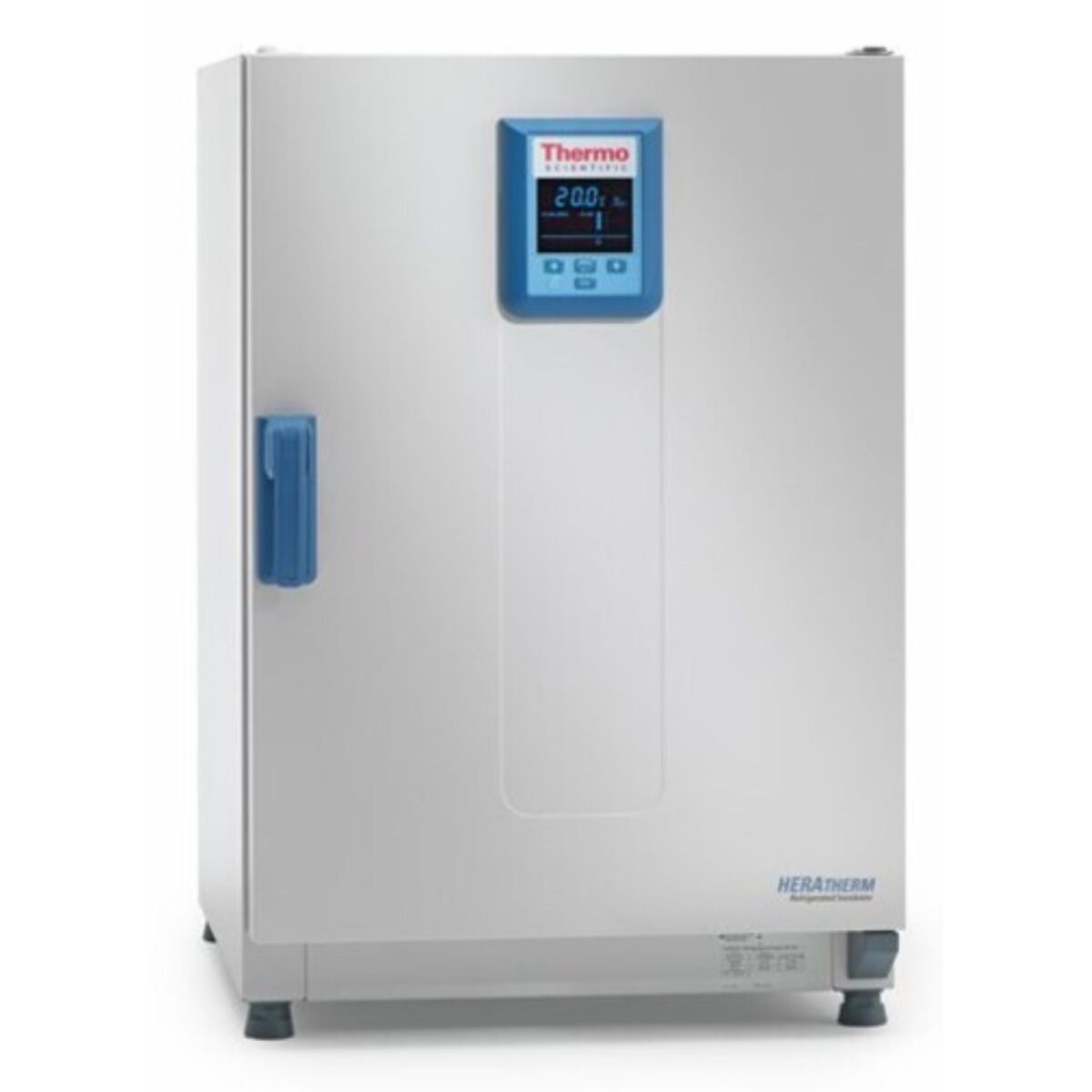
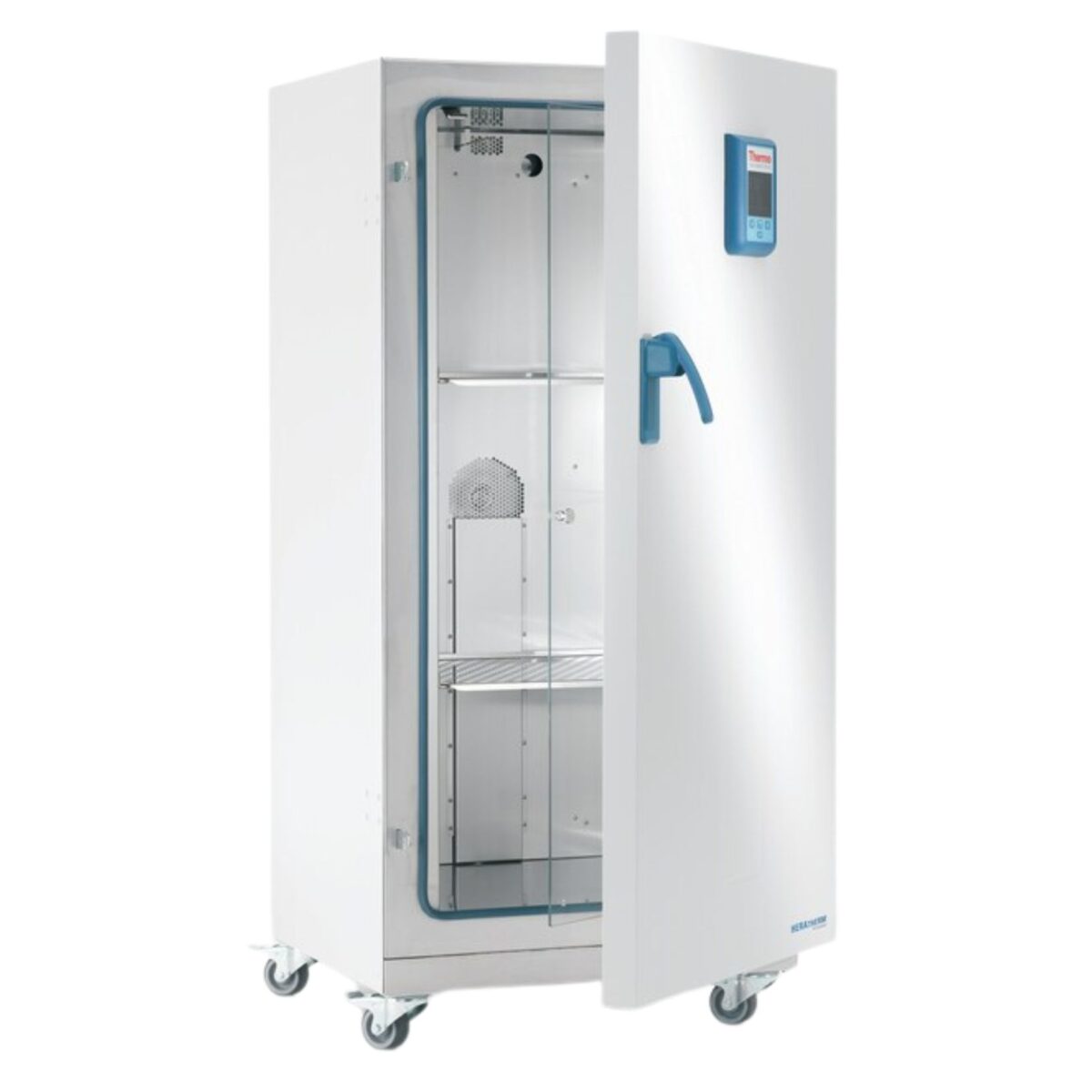
A bacteriological incubator provides stable temperature and sometimes humidity conditions for microbiology, bacterial growth, stability testing and routine incubation. As a result, the unit precisely controls temperature within a set range. This keeps your protocols reproducible and your samples intact. Our bacteriological incubators from Thermo Scientific cover the full spectrum, from compact 18 litre benchtop models to free-standing 750 litre systems.
Looking for a CO2 incubator with CO2 control for cell culture? See our CO2 incubators page for the complete range.
Which types of bacteriological incubator do we supply?
Our range covers five main types, each suited to specific applications and sample types.
Heratherm IGS general protocol incubator: the standard choice for microbiology and routine incubation. Available in capacities from 18 to 750 litres, with natural or mechanical air convection. Moreover, the IGS series offers a temperature range from 5°C above ambient to 105°C with excellent temperature uniformity.
Heratherm IMH mechanical convection incubator: similar to the IGS but with forced air circulation. As a result, the unit recovers temperature faster after door openings and maintains uniformity with heavy loads. Suitable for high-volume research and dense samples.
Heratherm IMP peltier-cooled incubator: a refrigerated incubator with Peltier technology for a temperature range of 5°C to 70°C. Therefore, temperatures below ambient are achievable without a compressor. Ideal for bacterial growth, stability testing and BOD-style applications.
MaxQ shaking incubator: a combined incubator with integrated shaker for cells requiring mechanical agitation. In addition, the MaxQ 8000 series offers temperature control from 5°C above ambient to 60°C with adjustable shaking speed. Suitable for microbial cultures, protein expression and suspension cultures.
BOD incubator (Biological Oxygen Demand): a refrigerated incubator specifically for BOD determinations, microbiological analyses at controlled low temperatures and stability testing. As a result, the unit provides a stable temperature range from 4°C, essential for water testing and environmental monitoring.
Key technical features
Temperature range and stability: a bacteriological incubator from Thermo Scientific reaches temperatures from 4°C to 105°C, depending on the model. Stability reaches ±0.1°C and uniformity ±0.6°C. Therefore, temperature-sensitive protocols remain reproducible.
Convection systems: natural convection for gentle air movement without dehydration risk, or forced mechanical convection for faster temperature recovery and uniformity with heavy loads. The choice depends on your protocol and sample type.
Stainless steel chamber and inner glass door: all Heratherm models feature a smooth stainless steel chamber for easy cleaning and contamination prevention. Moreover, an inner glass door enables observation without temperature fluctuations.
HEPA filtration and sterilisation: optional HEPA filtration provides clean air circulation. Some models also offer built-in sterilisation cycles up to 140°C for maximum contamination prevention.
Data logging and touchscreen: touchscreen interfaces, network connections and data logging functions support traceability for GMP and regulated environments. In addition, programmable temperature profiles simplify complex protocols.
Which bacteriological incubator suits your application?
Routine microbiology: choose a Heratherm IGS 75 or 150 litre with natural convection. Suitable for most microbiological cultures at a favourable price.
High-volume or heavy samples: choose a Heratherm IMH with mechanical convection and larger capacity (250L to 750L). As a result, temperature stays uniform with heavy loads.
Low temperature and BOD testing: choose a Heratherm IMP peltier-cooled incubator or a BOD incubator. Suitable for temperatures below ambient.
Microbial cultures with shaking: choose a MaxQ shaking incubator. Integrated shaker with temperature control for suspension cultures and protein expression.
GMP and regulated environments: choose models with automatic calibration, data logging, network connection and extensive alarm functions.
Applications by sector
Medical diagnostics and clinical laboratories: microbiological cultures, bacterial growth and diagnostic incubation in medical diagnostic environments.
Pharmaceutical industry and biotech: stability testing, protein expression and microbial cultures in pharmaceutical processes and R&D.
Universities and research institutes: routine microbiology research, molecular biology and general incubation with flexible configurations.
Food industry: microbiological analyses of food samples, shelf-life testing and fermentation research within the food industry.
Water testing and environmental monitoring: BOD determinations, water microbiology and environmental analyses at controlled low temperatures.
Agriculture and horticulture: plant cell culture and growth condition testing within the agriculture and horticulture sector.
Service and maintenance on all incubators
Besides supplying and installing Thermo Scientific bacteriological incubators, we provide periodic maintenance, temperature calibration, IQ/OQ qualification and NEN 3140 electrical safety inspection. In addition, our engineers perform cleaning maintenance. Our certified service engineers work on bacteriological incubators from all brands, including Memmert, Binder and Heraeus. For advice on the right bacteriological incubator or a maintenance contract, please contact our specialists.
Frequently asked questions about bacteriological incubators
What is a bacteriological incubator?
A bacteriological incubator is a laboratory device that provides stable temperature and sometimes humidity conditions for growing bacteria, microorganisms or for stability testing. As a result, the unit precisely controls temperature, typically between 4°C and 105°C. A bacteriological incubator is essential for microbiology, food testing and routine incubation processes.
What is the difference between a bacteriological incubator and a CO2 incubator?
A bacteriological incubator controls only temperature (and optionally humidity). By contrast, a CO2 incubator also regulates CO2 concentration for cell culture applications requiring physiological CO2 levels. Therefore, a CO2 incubator is essential for mammalian cell culture, while a general bacteriological incubator suffices for microbiology and bacterial growth.
What is the difference between natural and mechanical convection?
Natural convection works without a fan and provides gentle air movement without dehydration risk. Mechanical convection uses a fan for forced air circulation. As a result, temperature recovers faster after door openings and uniformity stays better with heavy loads. The choice depends on your protocol and sample type.
What is a BOD incubator?
A BOD incubator (Biological Oxygen Demand) is a refrigerated bacteriological incubator specifically for BOD determinations in water testing. Moreover, the unit provides a stable temperature range from 4°C, essential for microbiological analyses at controlled low temperatures. BOD incubators are standard equipment in water microbiology and environmental monitoring.
What is a shaking incubator?
A shaking incubator combines temperature control with an integrated shaker. As a result, you can grow cells in suspension under controlled temperature and shaking speed. The MaxQ 8000 series from Thermo Scientific is a shaking incubator for microbial cultures, protein expression and suspension cultures.
Which capacity bacteriological incubator do I need?
For small research groups, a compact 18 or 75 litre Heratherm suffices. Routine microbiology requires 150 to 250 litres. For high-throughput, biobanking and industrial scale-up, choose a reach-in model from 400 to 750 litres. In addition, stackability plays a role with limited floor space.
Which bacteriological incubator brands does Poly Temp supply?
We are the official dealer of Thermo Scientific for the complete incubator range, including Heratherm IGS, IMH, IMP and MaxQ shaking incubators. Moreover, we provide maintenance and service on bacteriological incubators from all other brands, including Memmert, Binder and Heraeus.
How often should a bacteriological incubator be serviced?
Annual preventive maintenance is the standard for bacteriological incubators. This includes temperature calibration, sensor inspection, door seal check and NEN 3140 electrical inspection. For intensive use or GMP environments, semi-annual maintenance is recommended.
What temperature range do your bacteriological incubators offer?
The temperature range depends on the model. Heratherm general protocol models work from 5°C above ambient to 105°C. Peltier-cooled and BOD incubators reach temperatures from 4°C. MaxQ shaking incubators operate from 5°C above ambient to 60°C. When in doubt, our specialists advise on the right configuration.
Can Poly Temp service a bacteriological incubator from another brand?
Yes. Our certified service engineers perform maintenance, temperature calibration and sensor inspection on bacteriological incubators from all brands. This includes Memmert, Binder and Heraeus. Contact us for a tailored maintenance contract.