40+ jaar expertise in laboratoriumapparatuur
Service & onderhoud door gecertificeerde specialisten


Our specialists are happy to help with personal advice.
Schedule a consultation +31 515 575 105Our CO2 incubators range from compact benchtop models to large freestanding reach-in systems, with capacities from 40 to over 800 litres. Optional features such as HEPA filtration, copper interiors, automatic humidity control and controlled gases (tri-gas: CO2/O2/N2) ensure optimal conditions for sensitive cell and tissue culture.
Showing all 7 results
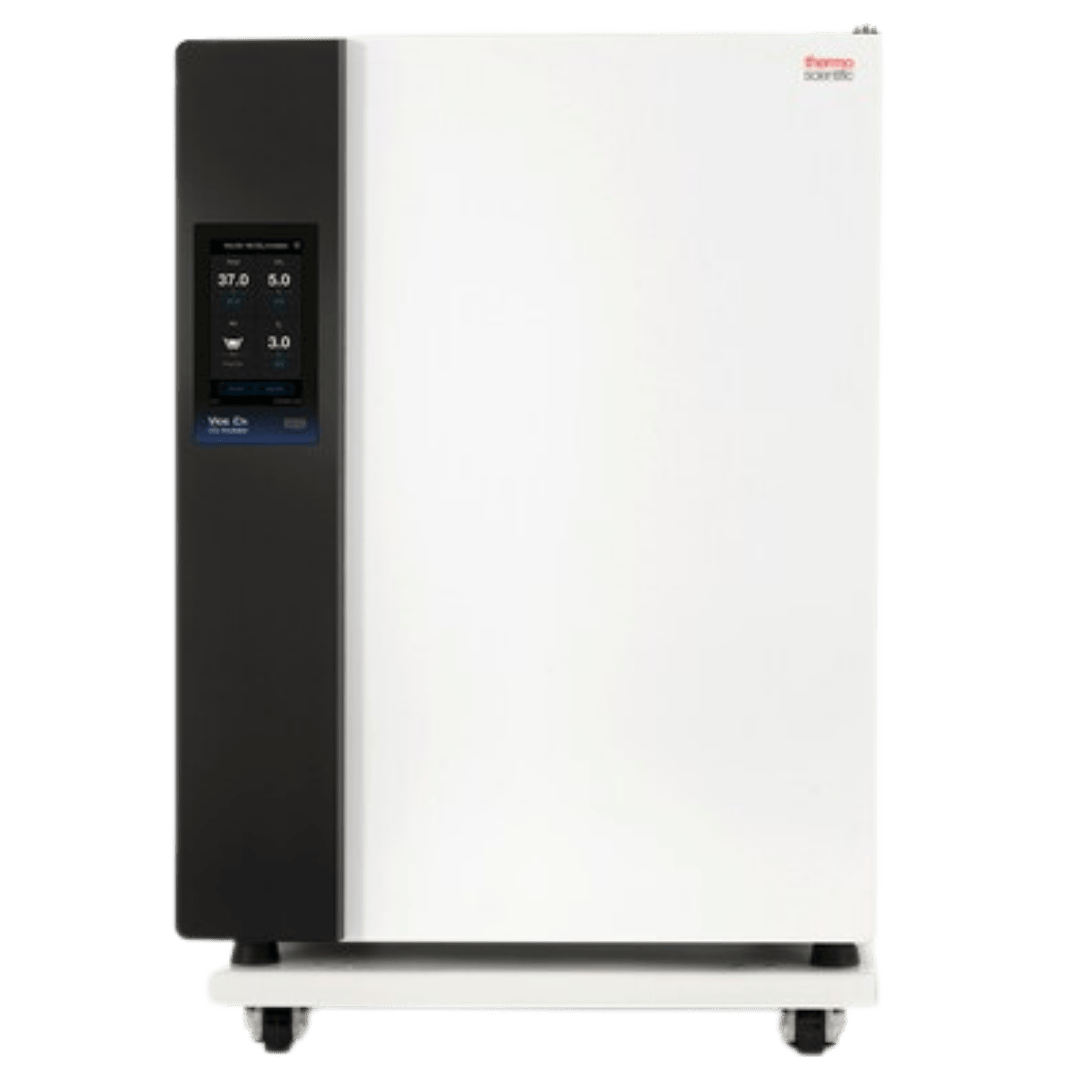
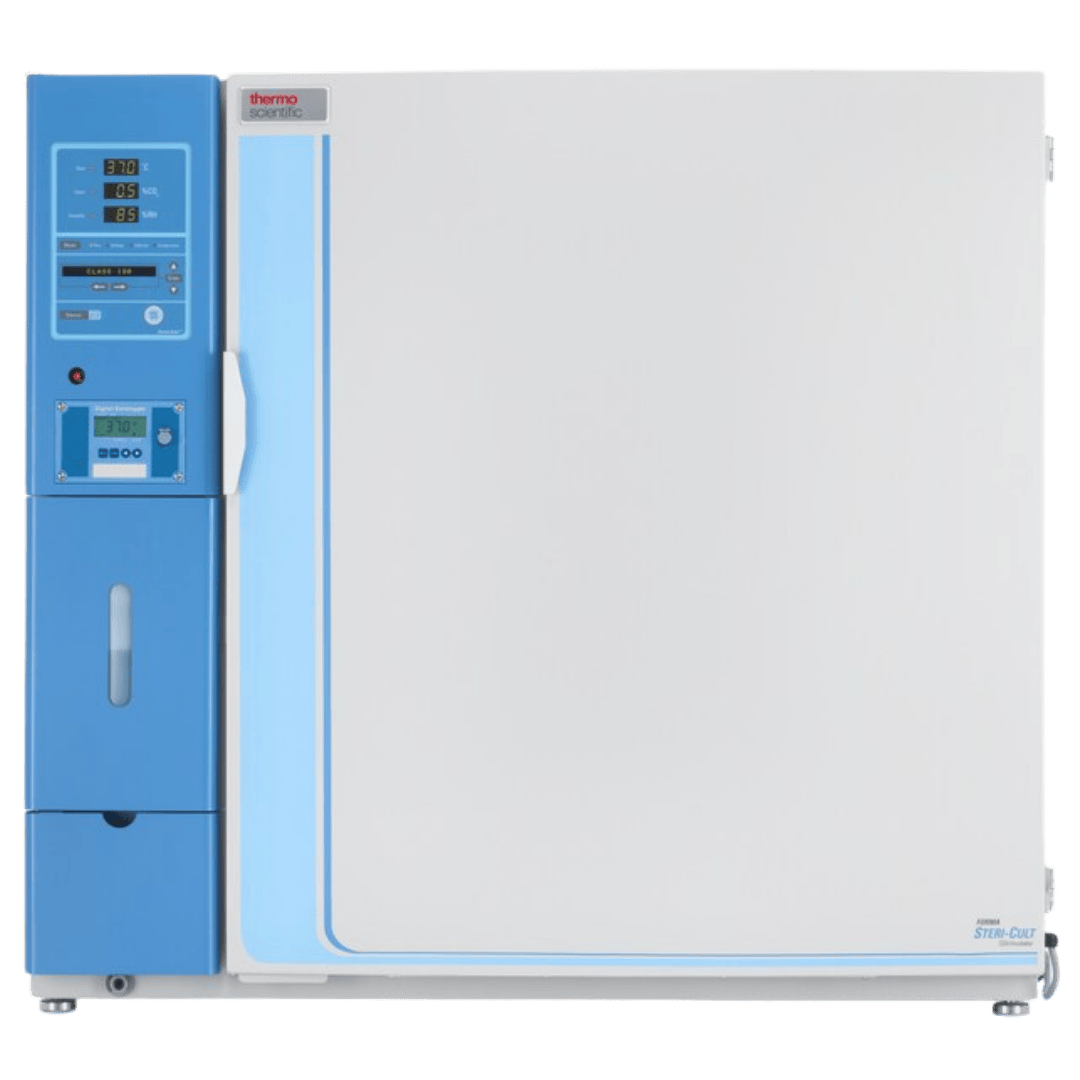
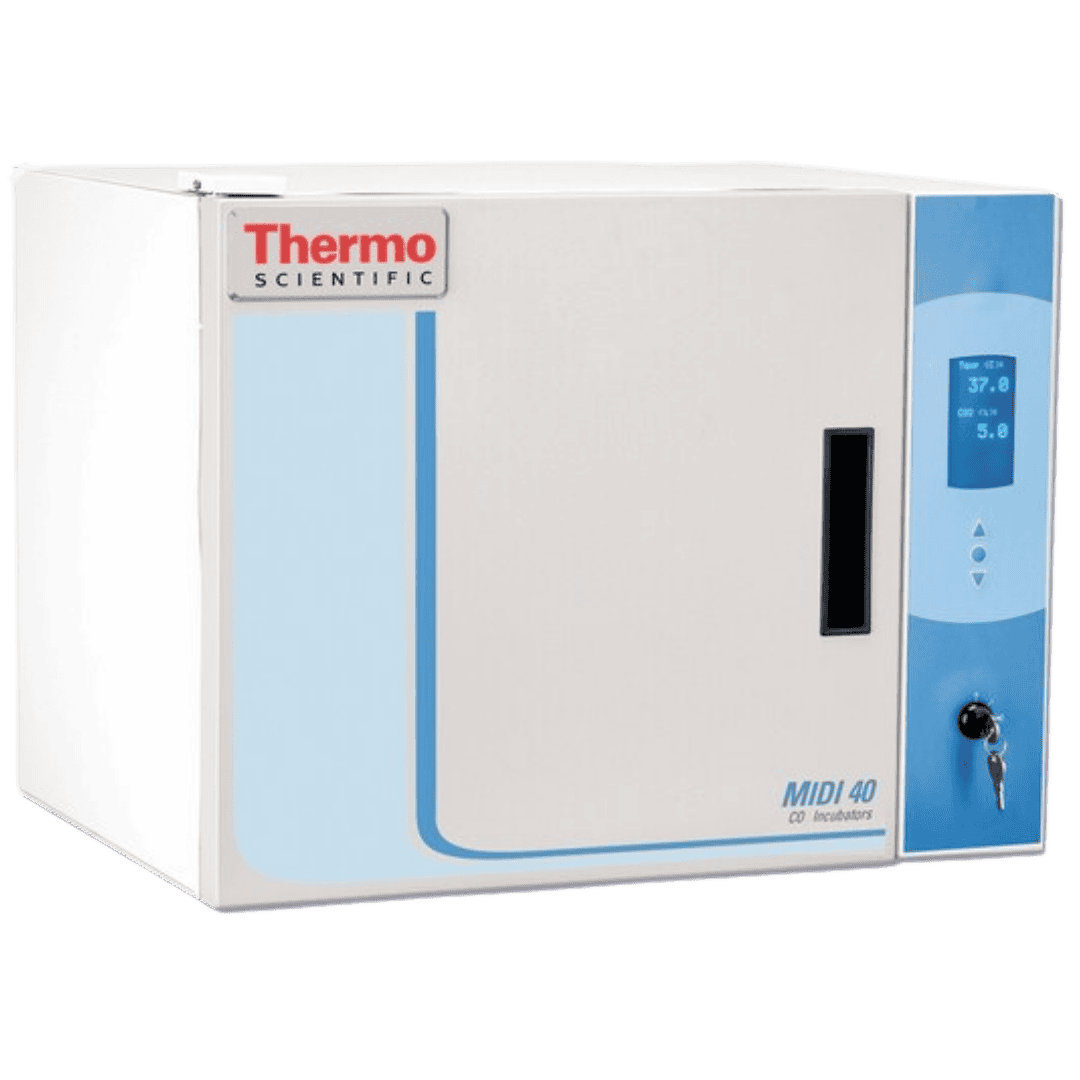
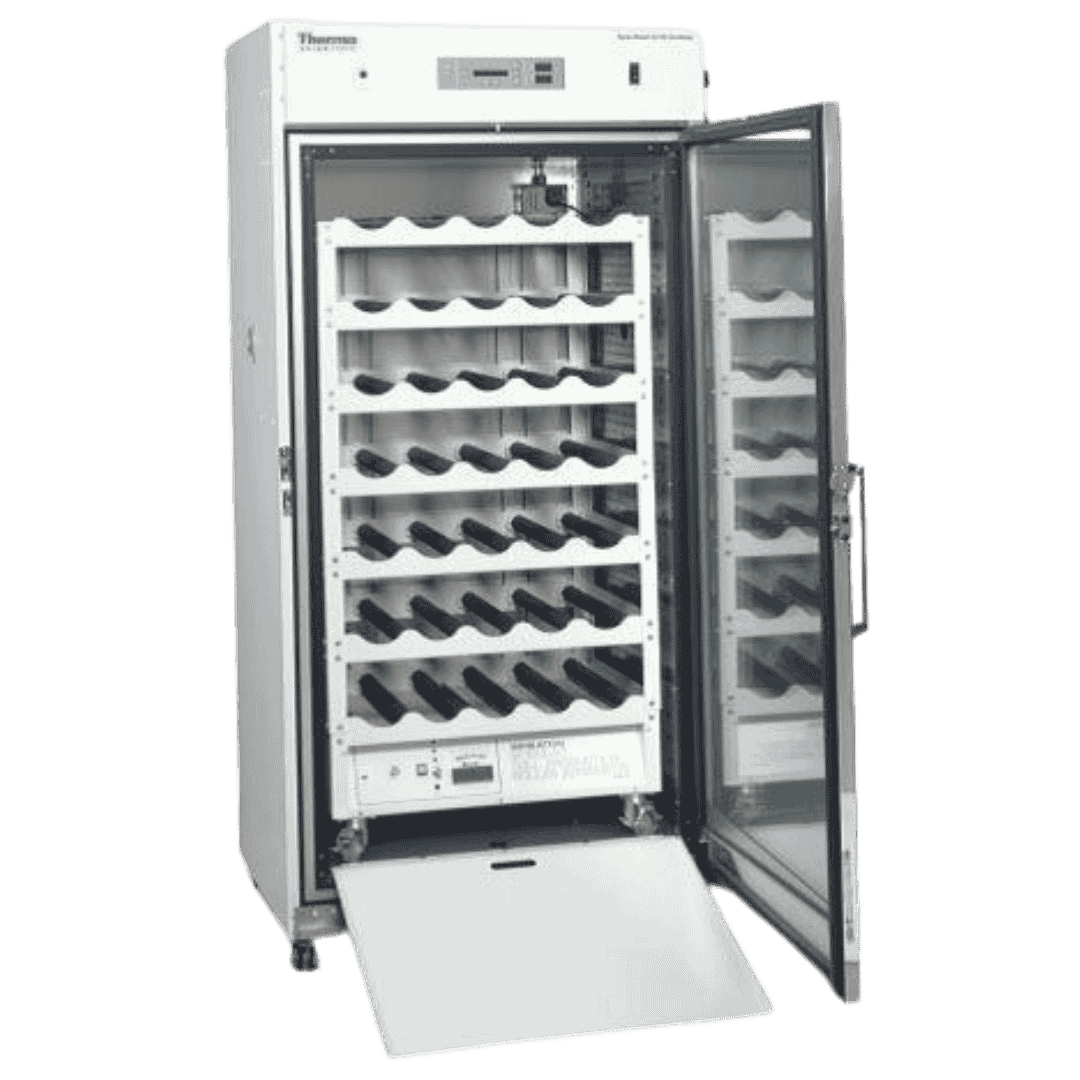



CO2 Incubators for Reliable Cell Culture and Microbiological Research
Poly Temp offers a carefully curated range of CO2 incubators from Thermo Scientific, designed for a broad spectrum of applications. From routine cell cultures to specialised research and clinical labs. These incubators combine precision in temperature, CO2 and humidity control with advanced contamination prevention. Ideal for laboratories where stability, reliability and safety are crucial.
Technical Features of Professional Incubators
Professional CO2 incubators are equipped with accurate TC or IR sensors for CO2 control. They furthermore often offer options for O2 control. Water jacket or direct heating systems ensure minimal temperature fluctuations and rapid recovery after door openings. Internal HEPA filtration and a closed air circulation system guarantee ISO Class 5 air quality. Copper inner chambers additionally provide active antimicrobial protection. Features such as external humidification, automatic calibration and data logging improve reproducibility and traceability for GMP-compatible applications.
Advantages for the Laboratory
CO2 incubators provide uniform and stable culture conditions with minimal contamination risks. Thanks to rapid recovery after door movements, protocols are accurately maintained. Touchscreen interfaces and network connections support comprehensive monitoring and data logging. Advanced alarm functions and maintenance-friendly construction moreover reduce operational risks. For high-throughput applications, large stackable incubators are also available.
Use Cases and Applications
In clinical laboratories, pharmaceutical research and biotechnology, CO2 incubators are used for cell and tissue culture, microbiological research and stem cell research. They are furthermore suited for monolayer production, high-throughput screening and biobanking. Precise CO2 and O2 control, uniform air circulation and reliable humidity control are crucial for cell viability and sample integrity.
CO2 incubators are also used in the food industry, for example for microbiological analysis of food samples and culturing micro-organisms for fermentation research. They are additionally valuable for arable and horticultural research, where they support plant cell culture and the development of biological crop protection agents.
Safety and Maintenance
Safety and reliability are crucial for professional CO2 incubators. Units are fitted with alarm systems for deviations in temperature, CO2 level and door status. These are often linked to network notifications or central monitoring. Regular maintenance such as cleaning, filter replacement and sensor calibration is essential to prevent contamination. Advanced models with copper interiors or built-in sterilisation functions offer additional protection. Our service team is happy to support you with this.
Industrial Applications and Advantages
CO2 incubators are indispensable in biotechnology, pharmaceutical research, clinical laboratories, academic institutions and biobanks. They support applications ranging from routine cell culture to stem cell research, microbial studies and the production of cell therapy products. Thanks to advanced air filtration, data logging and GMP compatibility, laboratories can work safely with sensitive samples and complex protocols. View our full overview on the incubators page or get in touch for personalised advice.


'%3E%3Cpath d='M0,0 v30 h60 v-30 z' fill='%23012169'/%3E%3Cpath d='M0,0 L60,30 M60,0 L0,30' stroke='%23fff' stroke-width='6'/%3E%3Cpath d='M0,0 L60,30 M60,0 L0,30' clip-path='url(%23t)' stroke='%23C8102E' stroke-width='4'/%3E%3Cpath d='M30,0 v30 M0,15 h60' stroke='%23fff' stroke-width='10'/%3E%3Cpath d='M30,0 v30 M0,15 h60' stroke='%23C8102E' stroke-width='6'/%3E%3C/g%3E%3C/svg%3E)